

Over 30 years of anarchist writing from Ireland listed under hundreds of topics
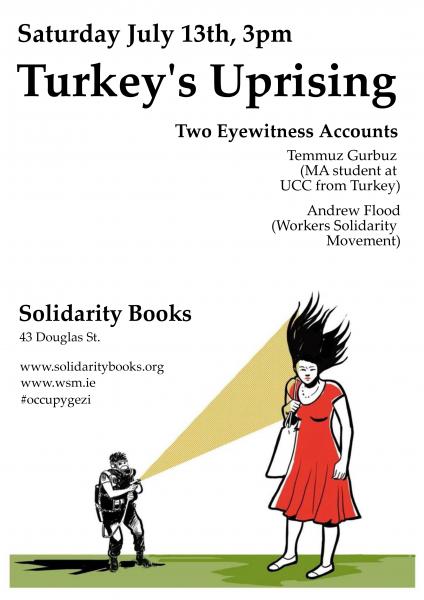
Andrew, a member of Workers Solidarity Movement, gave an eyewitness account with photos of the Gezi park protests and the state brutality against people in Istanbul, where he spent a week recently. Sevinc , an anarchist from Turkey, gave details of the background of the struggle.
The video is includes photos & video from Gezi park. Recoded Thursday 27 June, 7.30 at Wynns hotel, Dublin
The guidelines below will help explain why we decide not to publish or to remove some comments from the site. If you have any problems with editorial decisions please use the Contact Us form to tell us about them. If you include your email address we will be able to reply to you.
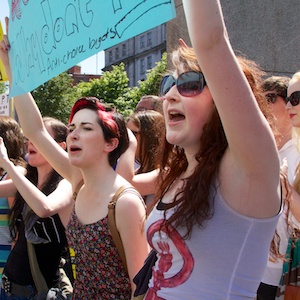 Despite spending in the region of a million euro and getting the backing of the catholic church its now clear that the anti-choice extremists of Youth Defence & the Pro Life Campaign were resoundingly defeated when the Dail finally voted though legislation implementing the X-Case judgment of 21 years ago. This time last year they were confident that they already had enough Fine Gael TD's on board to block the required legislation but they reckoned against the wave of public anger that followed the death of Savita Halappanavar after she was denied a potentially life saving abortion in a Galway hospital.
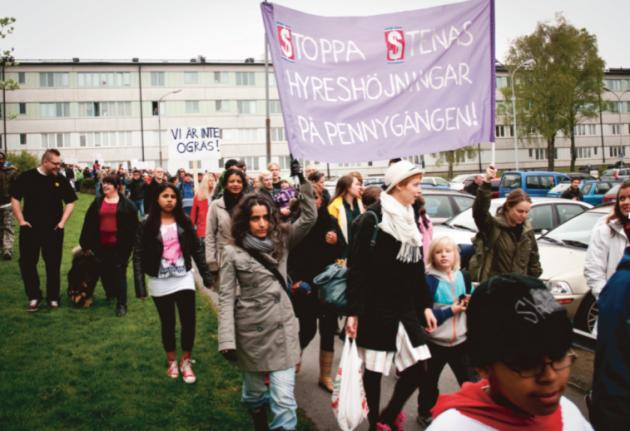
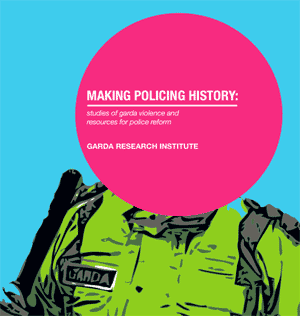 These texts are written and edited by the Garda Research Institute which is composed of residents, community workers and educators who have both personally experienced Garda violence and have heard countless negative stories about the gardaí. They came together to examine the role of the gardaí and in particular to spark debate and discussion about who gets targeted by the police and why.
The text is structured in the following way. Following the introduction and a piece on the making of the gardaí, the pamphlet is divided into three sections, the first of which looks at the experience of the policed. The next section looks at the policing of protest by the gardaí. The final section looks at responses to policing and examines how grassroots activists and movements have attempted to make the police more accountable.
For ease of reading you can download a PDF of the entire text in A4 format or fold over A5 format.
The Prisoners’ Rights Organisation (PRO) was founded in the early 1970s. Before its dissolution in the late eighties it was in many ways a unique phenomenon - a small but highly energetic grassroots organisation that consistently called public attention to cases of police brutality and misconduct through varied forms of street protest and media work. This article tells the story of the formation and development of the organisation and the ‘hidden history’ of the PRO’s attempt to make police accountable.
The incident - On a Saturday night in July 2008 at about 11pm, I was waiting outside a fast food restaurant in Drumcondra for a friend, when over eight garda vehicles came speeding from a few different directions with their sirens on. They pulled up outside a pub just up the road from where I was. I cycled up to have a look at what was going on. When I got up there, there didn’t seem to be a lot going on. I started to film the line of garda vehicles parked in the centre of the road. I had been filming less than a minute when a guard approached me, demanding that I give him the camera. I put the camera in my pocket and told him it was a public area and I was entitled to film.
How have activists tried to put manners on the police? Which methods have worked? Which might be worth trying? This article is a brief overview of different ways of resisting political and social policing.