

Over 30 years of anarchist writing from Ireland listed under hundreds of topics
Well over 100,000 people are expected to take part in over 90 anti water charge protests across the country tomorrow (Nov 1st).
But instead of throwing the weight of the country’s largest trade union behind the protests, SIPTU’s general president Jack O’Connor has this morning in the words of the headlined report on Newstalk’s facebook page been “waving the white flag”.
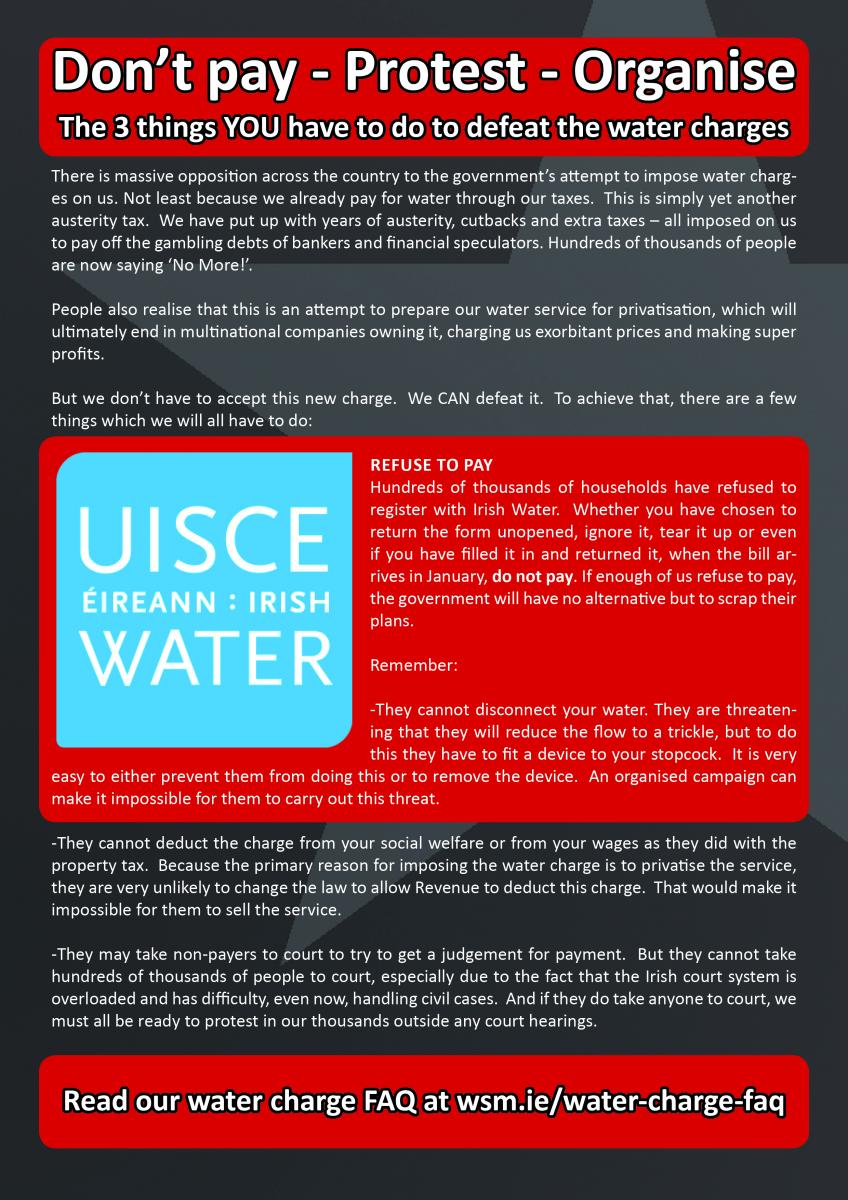 There is massive opposition across the country to the government’s attempt to impose water charges on us. Not least because we already pay for water through our taxes. This is simply yet another austerity tax. We have put up with years of austerity, cutbacks and extra taxes – all imposed on us to pay off the gambling debts of bankers and financial speculators. Hundreds of thousands of people are now saying ‘No More!’.
People also realise that this is an attempt to prepare our water service for privatisation, which will ultimately end in multinational companies owning it, charging us exorbitant prices and making super profits.
But we don’t have to accept this new charge. We CAN defeat it. To achieve that, there are a few things which we will all have to do:
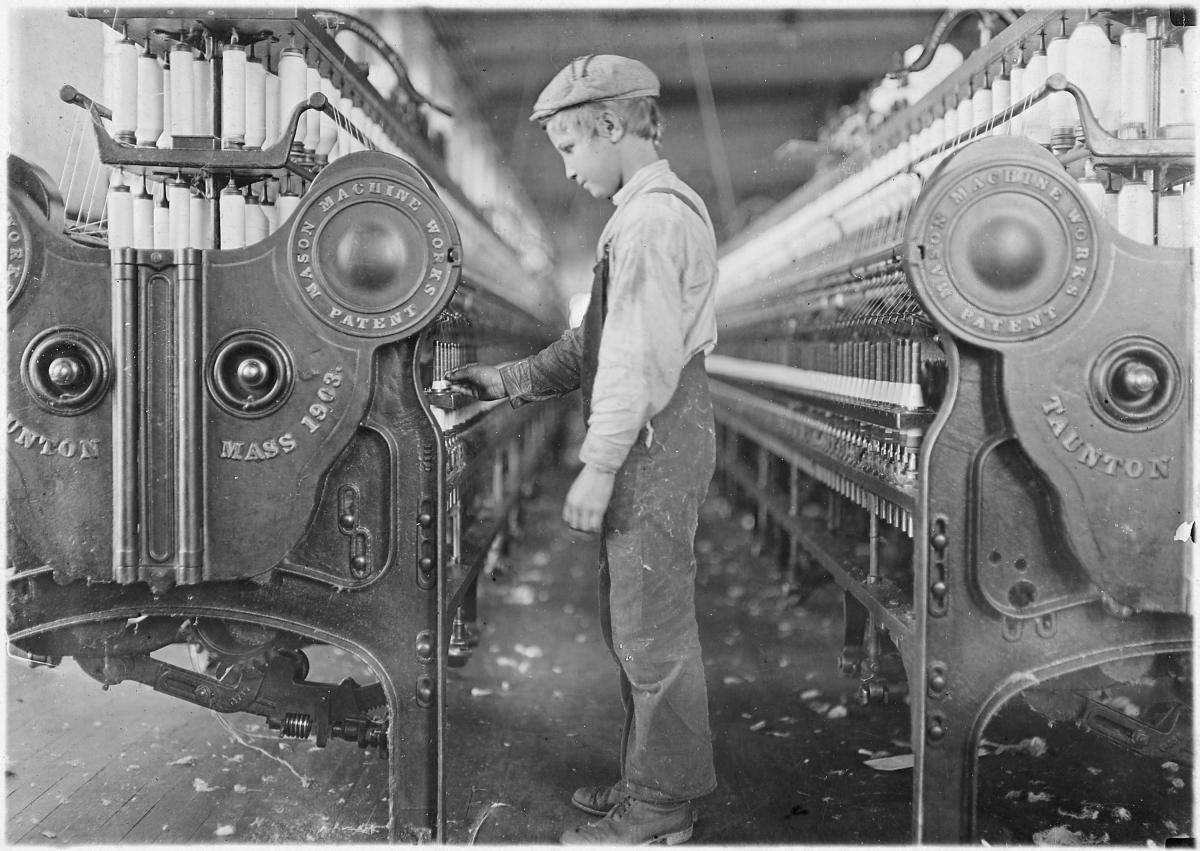 The proliferation of computerised surveillance and security systems across workplaces has had the effect that now, in offices across the world, workers’ toilet usage is continuously monitored. You swipe your ID card to get in and out, producing a data event with a time and duration, which is quietly recorded by some computer.
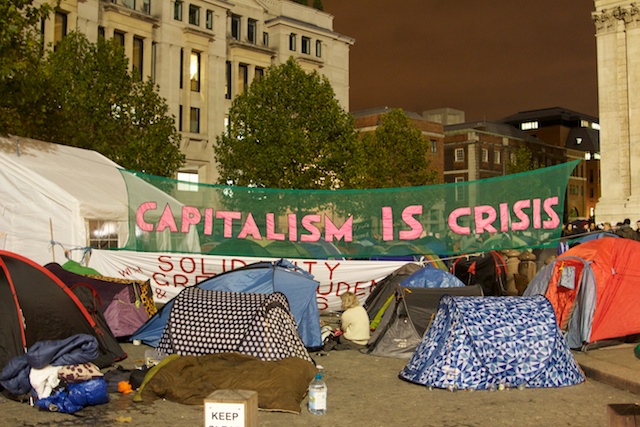 What if we build it and they don’t come? That was the experience of the left during the crisis - decades had been spent building organisations and a model of how crisis would create revolution, but when the crisis arrived the left discovered that the masses weren’t convinced. The expected pattern of crisis leading to small strikes and protests, then to mass strikes and riots and then perhaps to general strike and revolution didn’t flow as expected. Under that theory the radical left would at first be marginal but then as conditions drove class militancy to new heights, the workers disappointed by reformist politicians and union leaders, would move quickly to swell its ranks.
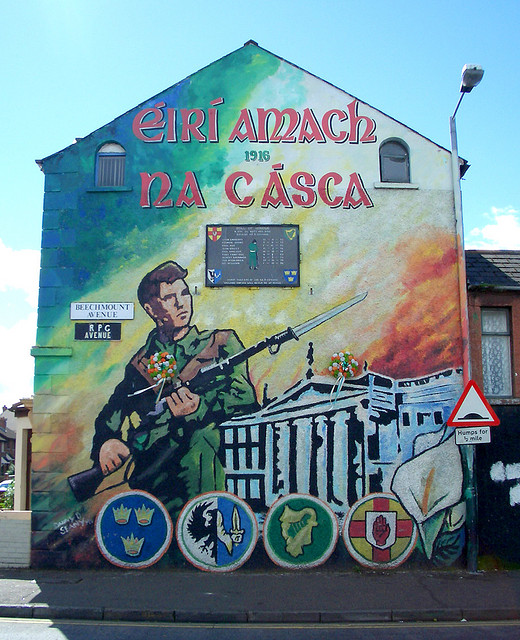 Growing up in West Belfast, as Maíria Cahill did, you are immediately introduced and submerged into a culture of republicanism and of the armed struggle. Murals, flags and gardens of remembrance make it impossible to escape. What is lurking in the shadows of these symbols and the shadows of local heroes is the clandestine sexual abuse that went on during those turbulent years – clandestine to the public but an open secret within the republican family.
Living in a community where Sinn Féin have an absolute political monopoly, it was incredibly brave of Maíria to waive her right to anonymity and challenge the conventional wisdom that surrounded her case – the conventional wisdom that the IRA was responsible for. What we have seen as result, is an attempt by Sinn Féin, as they quite often do, to make Maíria’s rape something it is not. They are trying to write this off as an attack on Gerry Adams and are actively adding to rape culture by implying that Maíria has made it all up for these ends.
Zaher Baher of the Kurdistan Anarchists Forum spoke at the 2014 London Anarchist Bookfair about the two weeks he spent in Syrian Kurdistan in May 2014, looking at the experiences of self-management in the region, experiments that have become more widely discussed as the result of the defense of Kobane against ISIS. Zaher is also a member of Haringey Solidarity Group
Anarchist Eyewitness to self-management in Kurdish Syria / West Kurdistan by Workers Solidarity on Mixcloud
Zaher Baher of the Kurdistan Anarchists Forum spent two weeks in Syrian Kurdistan in May 2014, looking at the experiences of self-management in the region, experiments that have become more widely discussed as the result of the defense of Kobane against ISIS. This account tells in some detail what he saw and what conclusions he draws. Zaher is also a member of Haringey Solidarity Group and spoke at the 2014 London Anarchist Bookfair about his experiences. This account was originally published as 'The experiment of West Kurdistan (Syrian Kurdistan) has proved that people can make changes'
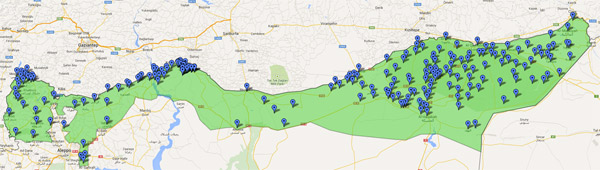
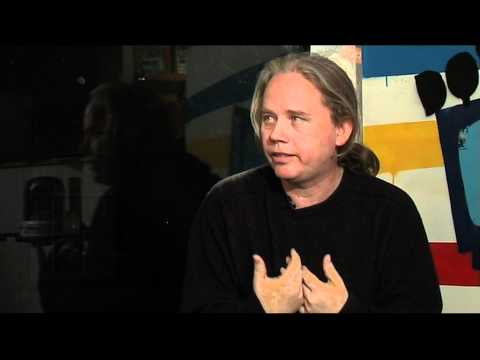
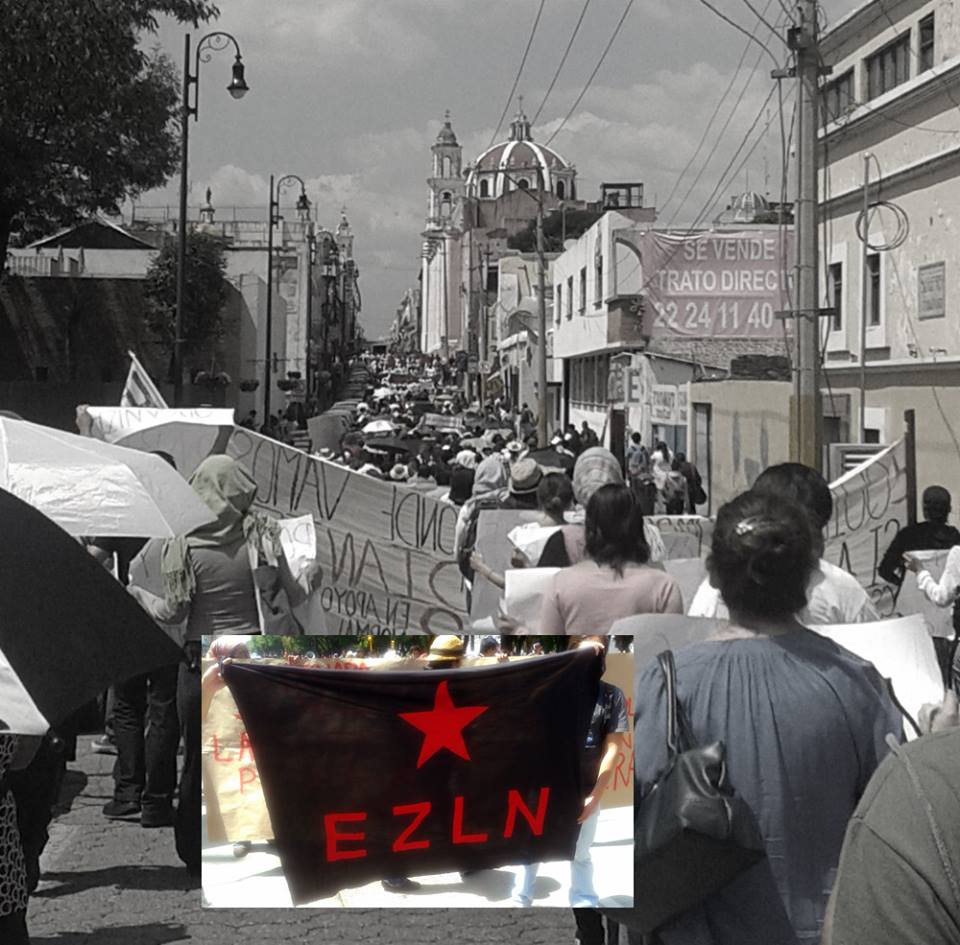
Gustavo Esteva is an independent writer and grassroots activist. He has been a central contributor to a wide range of Mexican, Latin American, and international nongovernmental organizations and solidarity networks, including the Universidad de la Tierra en Oaxaca and the Zapatista Army of National Liberation. The WSM's Tom Murray caught up with Gustavo at a recent public lecture at the Kimmage Development Centre to discuss hope, friendship and surprise in the zombie-time of capitalism, and how people are taking initiatives, reclaiming control of their lives and creating vibrant, autonomous alternatives here today.
