

Over 30 years of anarchist writing from Ireland listed under hundreds of topics
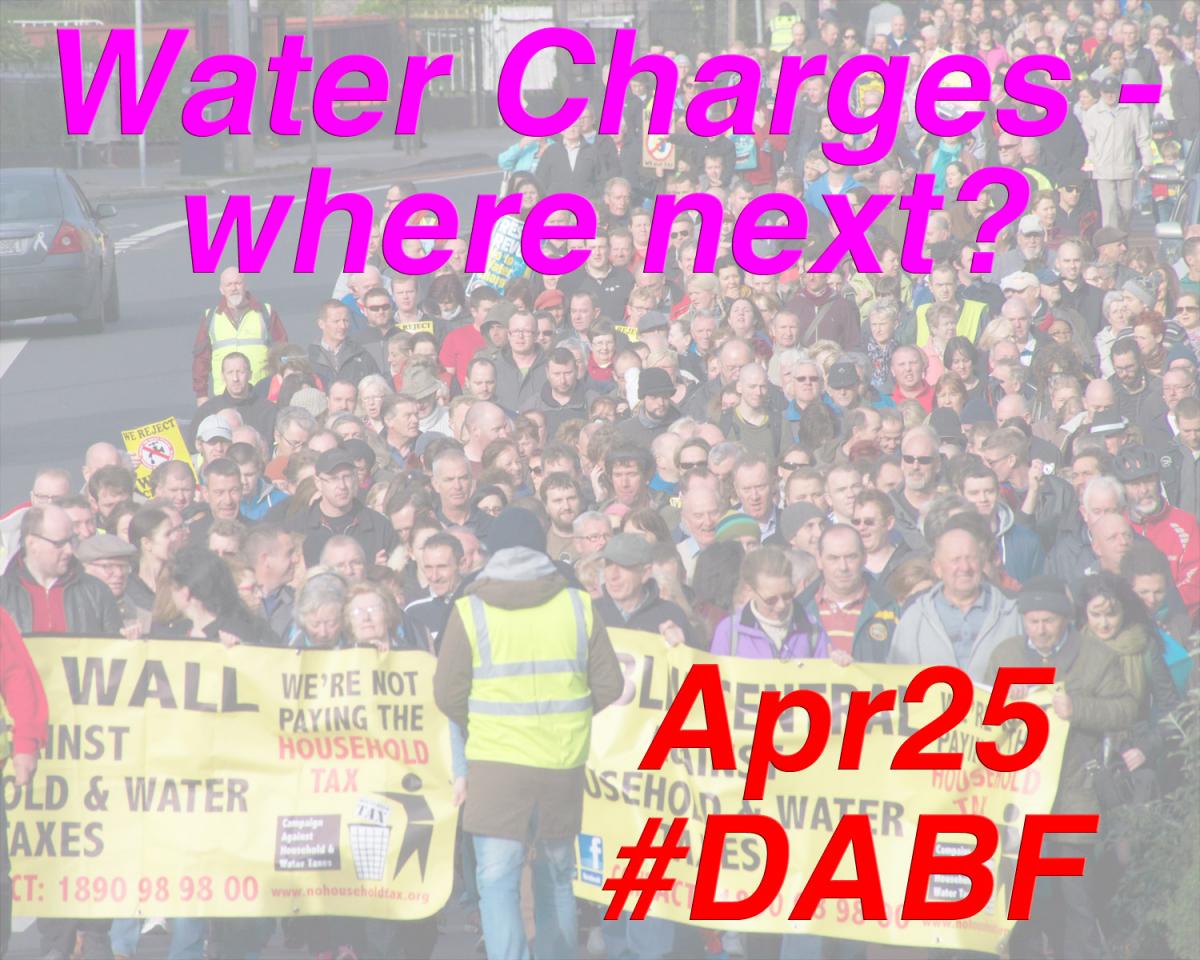 Can we turn the water charge movements away from the self-destruction of taking the electoral route, can we convince people in large numbers that it is on the streets and in conversations with their neighbours that the battle will be won not in the ballot box?
Over the coming months we need to solidify the message of the twin direct action tactics of blocking meter installation and not paying the bills – the message of people seeing themselves as leaders in their communities in terms of having that conversation – ‘I’m Not paying. You Shouldn’t Pay’ – retaining the many headed monster and avoiding the false ‘unity’ that involves leadership from above being imposed on self-organising community campaigns
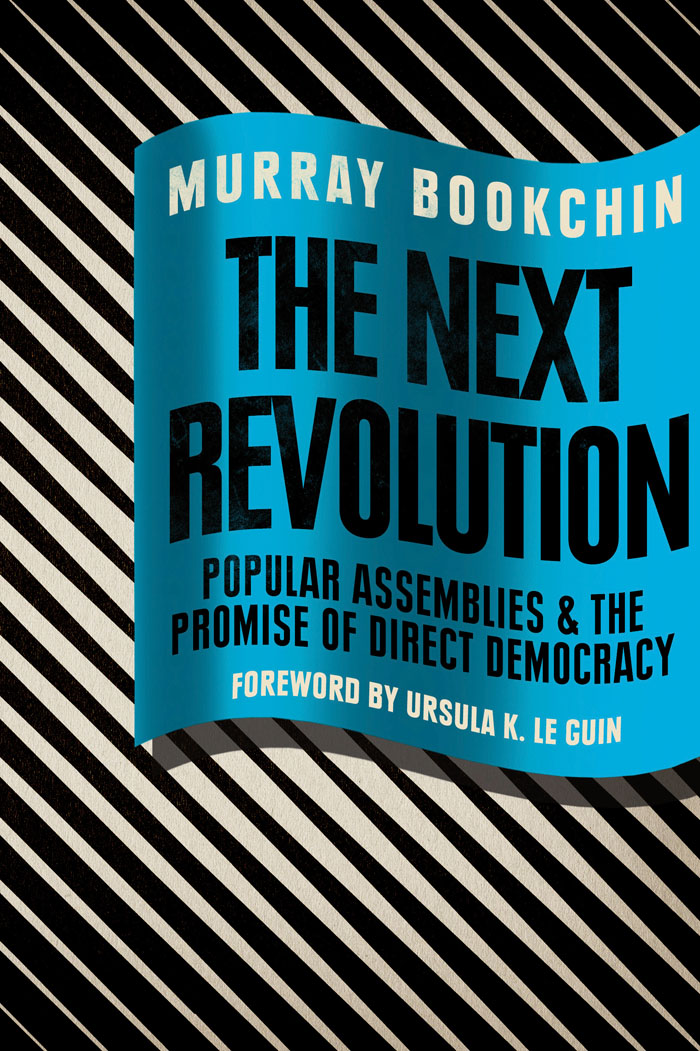 Despite being a pathbreaking figure from the 1960s onward in anarchist, green, and directly democratic political circles having predicted early on the significance of ecological issues and technology to leftwing social struggles Murray Bookchin today remains unknown to many on the left, and to those who do know of him he remains controversial.
Disliked by class struggle anarchists and Marxists for his advocacy of community organising over workplace organising, and by anarchists involved in single issue activism for their lack of organisation and supposed concern with personal rebellion over social change, he made quite a few enemies in his last days for fiery polemics directed at his intellectual opponents. While his supporters in organisations like New Compass defend him for his consistency, others argue that he ended up alienating potential allies by refusing to ever waver on his specific revolutionary vision: focused on creating a municipal confederation of ecological communities practicing direct democracy, founded on a philosophy of science, reason, and humanism.
This new collection of essays from the last few years of his life may provide a useful entry point of his philosophical and political project called social ecology and generate further debate for the future of libertarian socialist organising in an age of increasing militarism and climate crisis.
 As the trade union leadership does its best to drag us back into a new round of ‘social partnership’, Gregor Kerr – an activist in the Irish National Teachers Organisation – compares the best and worst of recent developments in the trade unions and poses a challenge – Can we save the movement by ridding it of the stultifying bureaucracy that seems set to strangle the life out of it?
The past number of months have witnessed the best and the worst of the trade union movement and its leadership. On the one hand, the presence of 5 trade unions – Unite, Mandate, CPSU, CWU and OPATSI – in the leadership of the Right2Water Campaign has certainly contributed to its being able to mobilise some of the biggest street mobilisations in the history of the state. But on the other hand the paucity of ambition and their perspective on how change in society is brought about, sees those unions and their leaderships doing their best to drag what has been largely a community-led campaign down the well-trodden and unlikely-to-succeed electoral path.
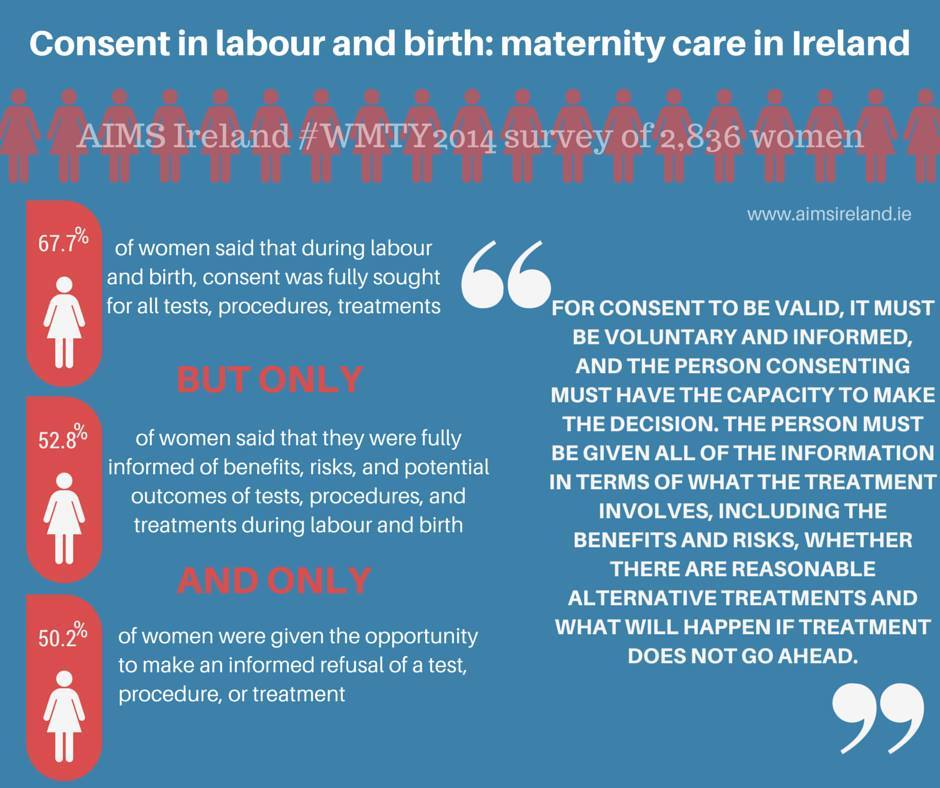 On the last day of August 2014, in a ruling the country and the media barely noticed, Mr Justice Ryan in the High Court in Kerry found against Ciara Hamilton and for the HSE in an utterly terrifying moment for every person becoming pregnant or giving birth in Ireland from here on out. Ciara Hamilton had taken a case against the Health Service Executive after the birth of her second child, during which a midwife had, without obtaining consent, broken her waters, leading to an umbilical cord prolapse and an emergency caesarean section.
The breaking of waters during labour, in medical terms, amniotomy or Artificial Rupture of Membranes (ARM), is not recommended best practice precisely because it can lead to a cord prolapse, which is a serious emergency when giving birth as it cuts off the blood flow and air supply to the baby. If the person giving birth is a Strep B carrier, as Ciara Hamilton was, it can also carry an increased risk of Strep B transferring to the newborn and causing serious damage to the baby, as happened to Ciara Hamilton’s child. It is listed as a Do Not Do under NICE recommendations. Despite this, and despite ARM being known to carry dangers and risks to both birthing woman and baby, it is still a widely carried out procedure in many Irish maternity hospitals. In the case of Ciara Hamilton’s birth, it was a procedure carried out by a midwife without seeking consent to do so.
 Revolutions are seldom made in favourable circumstances. Russia 1917 emerged from the mass slaughter of WWI and the disintegration of an economy under the pressure of the supply demands of that war. Spain 1936 emerged from a well planned and executed fascist coup amongst a powerful military backed and armed by international fascism. Schemas for revolution that depend on quiet times and plenty may well be doomed from the start.
That said it’s hard to imagine more impossible conditions for revolution than that of Rojava. A brutal civil war, 3 small areas of territory that were kept in a state of low development by the previous regime and are not even linked to each other. A fanatic army of barbaric religious extremists armed with captured looted US heavy weaponry attacking from one side, a hostile state quietly backing that army and closing its borders to the good guys on another and waiting in the wings the old regime and its long history of brutal counter insurgency. And above all this the tactical and strategic intervention of an imperialist power whose manipulations have devastated the land to the South East over a period of almost three decades.
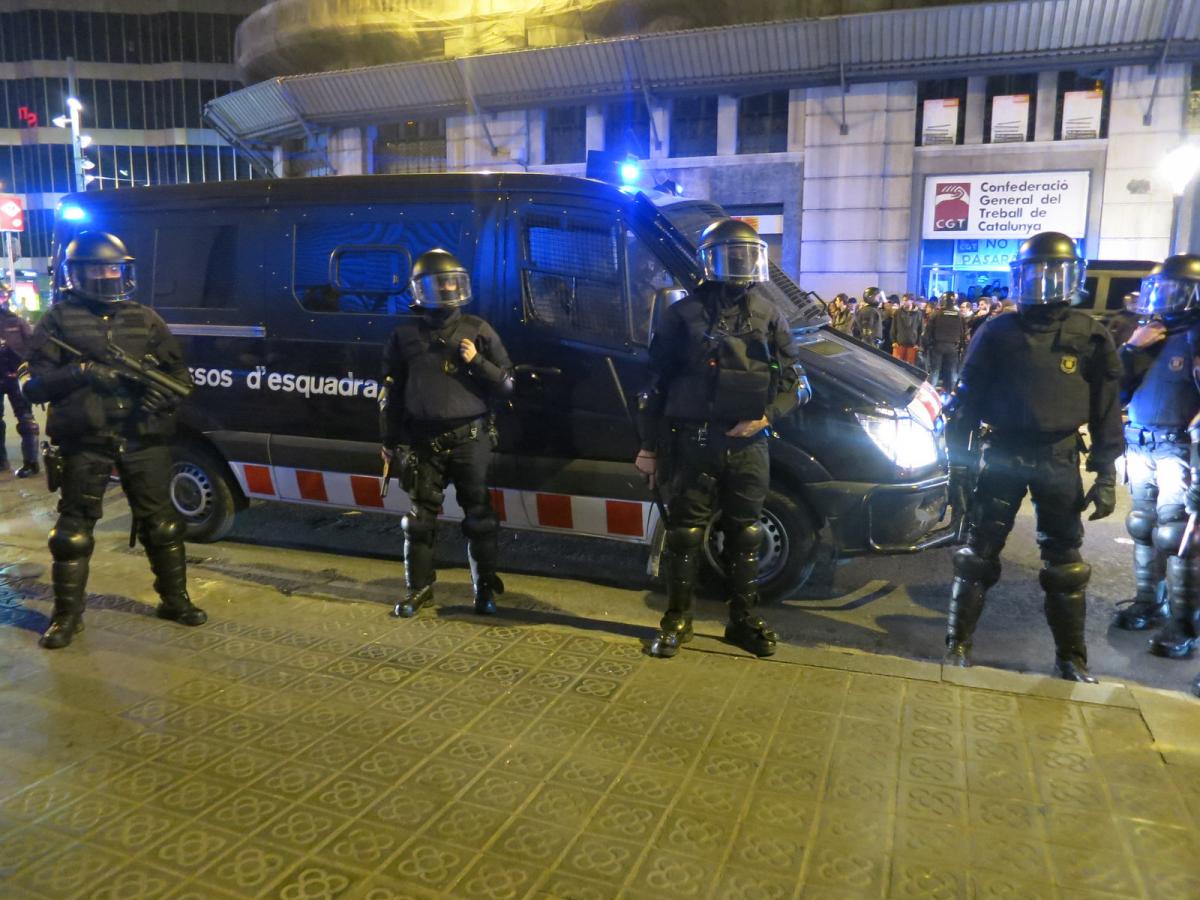 A spectre is haunting the people of Europe, but this time it's not one to be welcomed. All the powers of new Europe have entered into an unholy alliance to raise this spectre: Merkel and Rajoy, Hollande and Cameron, Irish Blueshirts and Greek state police. Where is the movement in opposition that has not been decried as terroristic by its opponents in power? Where is the opposition that has not cried out for law and order in the face of the more progressive parties? Two questions result from these facts:
What class, classes or section of the population is conjuring up this phantasm? IE, what classes benefit from authoritarian extremism?
What is to be done? IE, What course of action should the people of Europe take to counter this threat? And what role do the libertarian left have to play in bringing that course of action to fruition?
To answer these questions, it is essential to examine the current wave of reaction across the European continent and asses its purpose and its source.
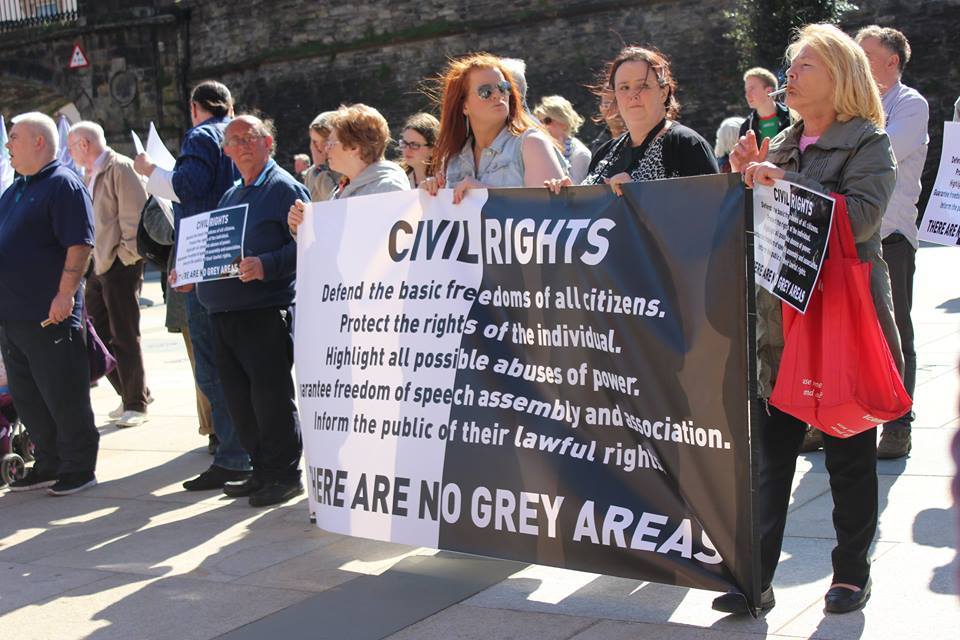 As part of the forth coming series of strike actions next month by public sector workers across the north, trade unionists and community activists held solidarity march and rally in Derry today in an effort to highlight workers concerns. Speaker after speaker condemned continued attacks on working class communities by Stormont politicians united in their efforts to implement Tory Cuts ‘in the name of austerity’.
One final speaker, a Dublin based community activist engaged in the fight back South of the border, gave provoking examples of how working class communities their have rallied together, stood up and fought back on many different occasions over the past number of years, which in turn has inspired thousands to do the same.
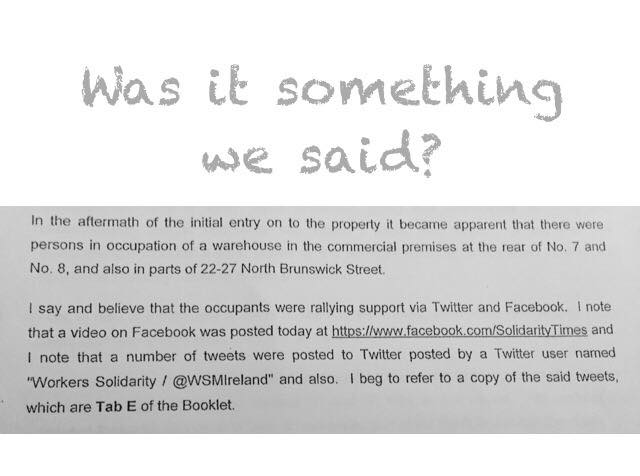 We've caught sight (24 March) of the documents for the High Court hearing against the Grangegorman residents tomorrow and we're surprized to see we (ie our new page Solidarity Times) get a prominent mention. It appears the lawyers concerned are so used to a completly compliant media reproducing ruling class ideology that they imagine our stance of solidarity with those they want to evict from their homes must make us the organisers of the resistance!
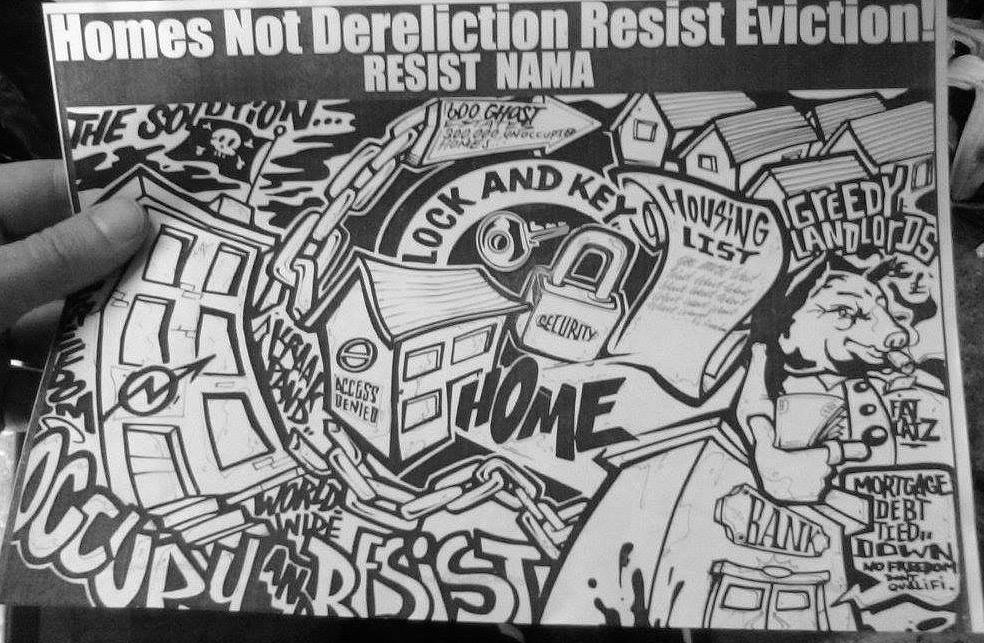 The residents of Grangegorman are once more in the High Court this morning (26 March) as what is in effect NAMA attempt to get them thrown out of their homes. NAMA own the loans on the site, their receivers are trying to get procession not in order to build homes or a community centre but in order to be able to sell it. Parts of this particular site have been lying derelict for about 15 years as part of the speculative cycle of the property millionaires. If the residents are evicted who knows how many more years that may continue.
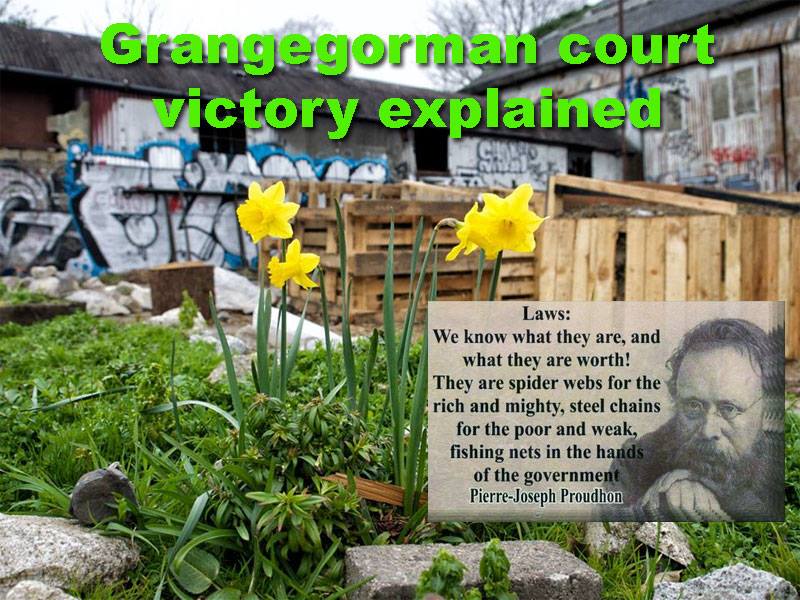 We thought it might be useful to explain why yesterdays ( 27 March ) High Court injunction against the Grangorman residents was seen by them as a victory. After all the NAMA-appointed receiver might have failed on Monday with the sudden attempt to evict the residents with force & fear but on Friday the High Court did grant the injunction compelling them to leave but importantly delayed execution until 4th May.